
Tropical rainforest
Warm temperatures, layered vegetation, high plant diversity, and patches of sun support extraordinary butterfly variety. Clearings and river edges can be especially active. Host vines and shrubs may be highly specialized.
Resources
Flower nectar, fallen fruit, sap, mineral-rich riverbanks.
Threats
Forest clearing, fragmentation, altered rainfall, and collecting pressure on rare species.
Meadow and grassland
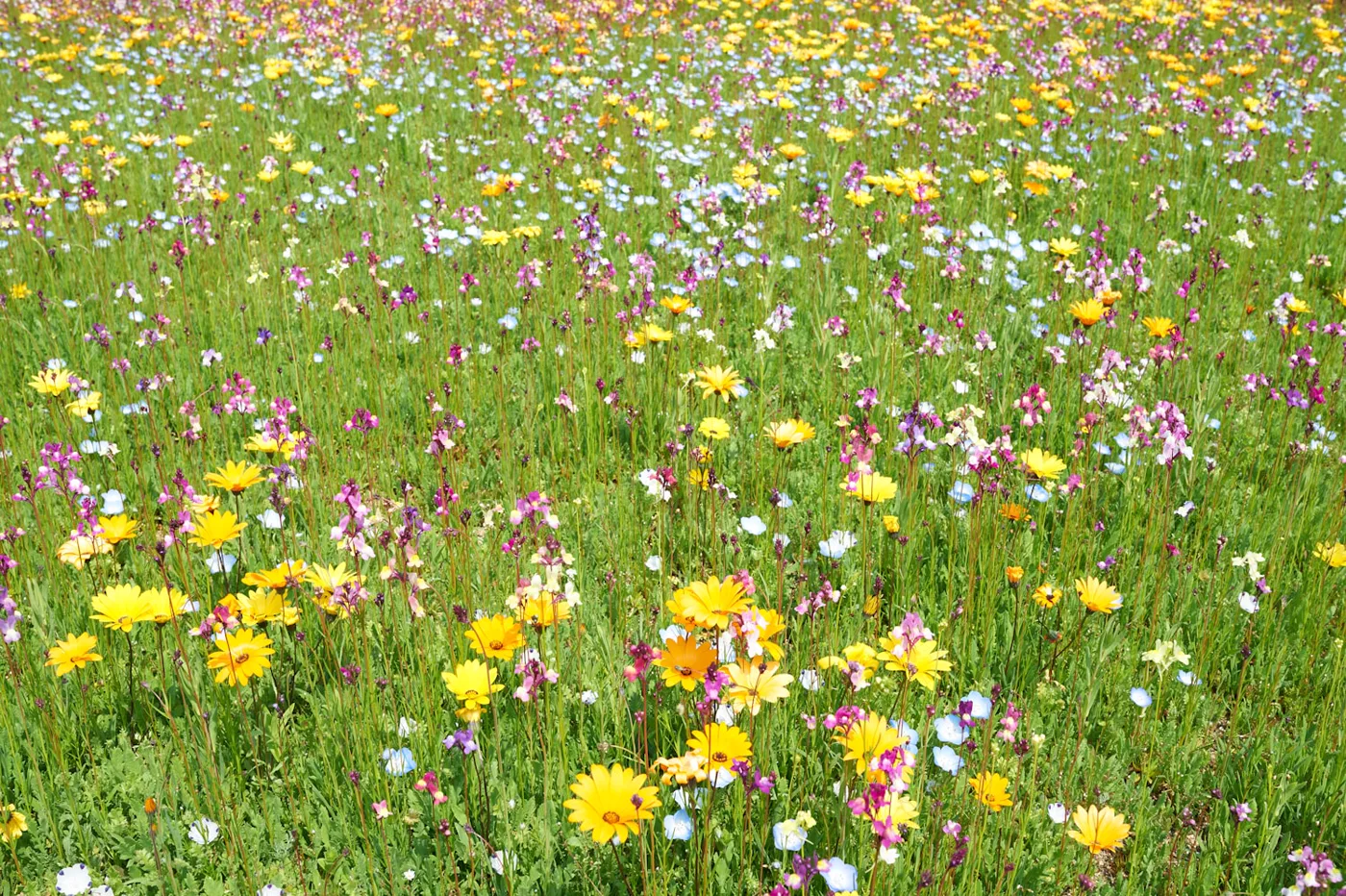
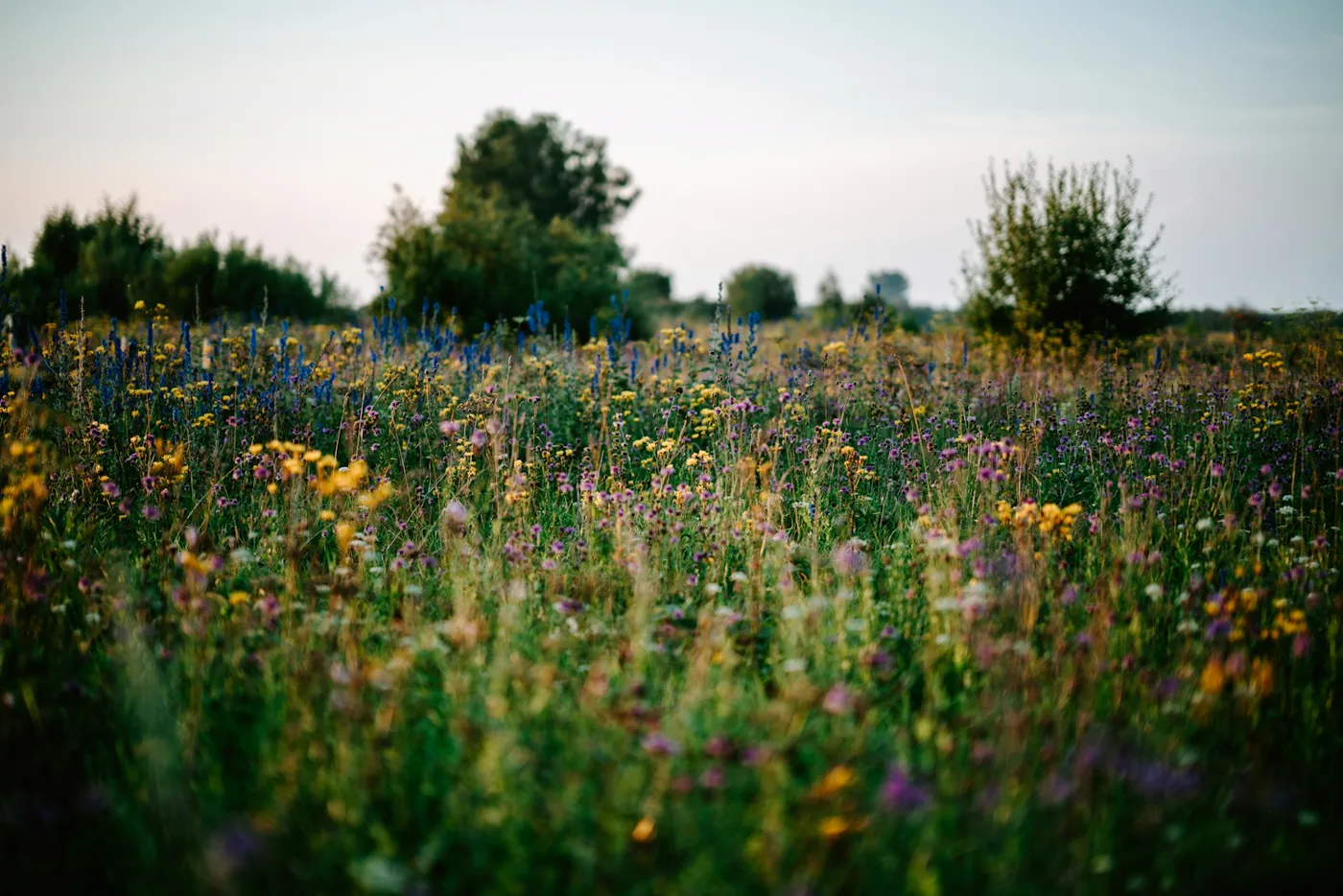
Open sunlight helps butterflies warm for flight. A varied flowering season offers nectar, while grasses, legumes, milkweeds, and other herbs feed larvae. Frequent mowing can remove flowers and immature stages at once.
Helpful management
Leave some patches uncut, vary mowing times, and allow native plants to flower and set seed.
Mountain and alpine slope
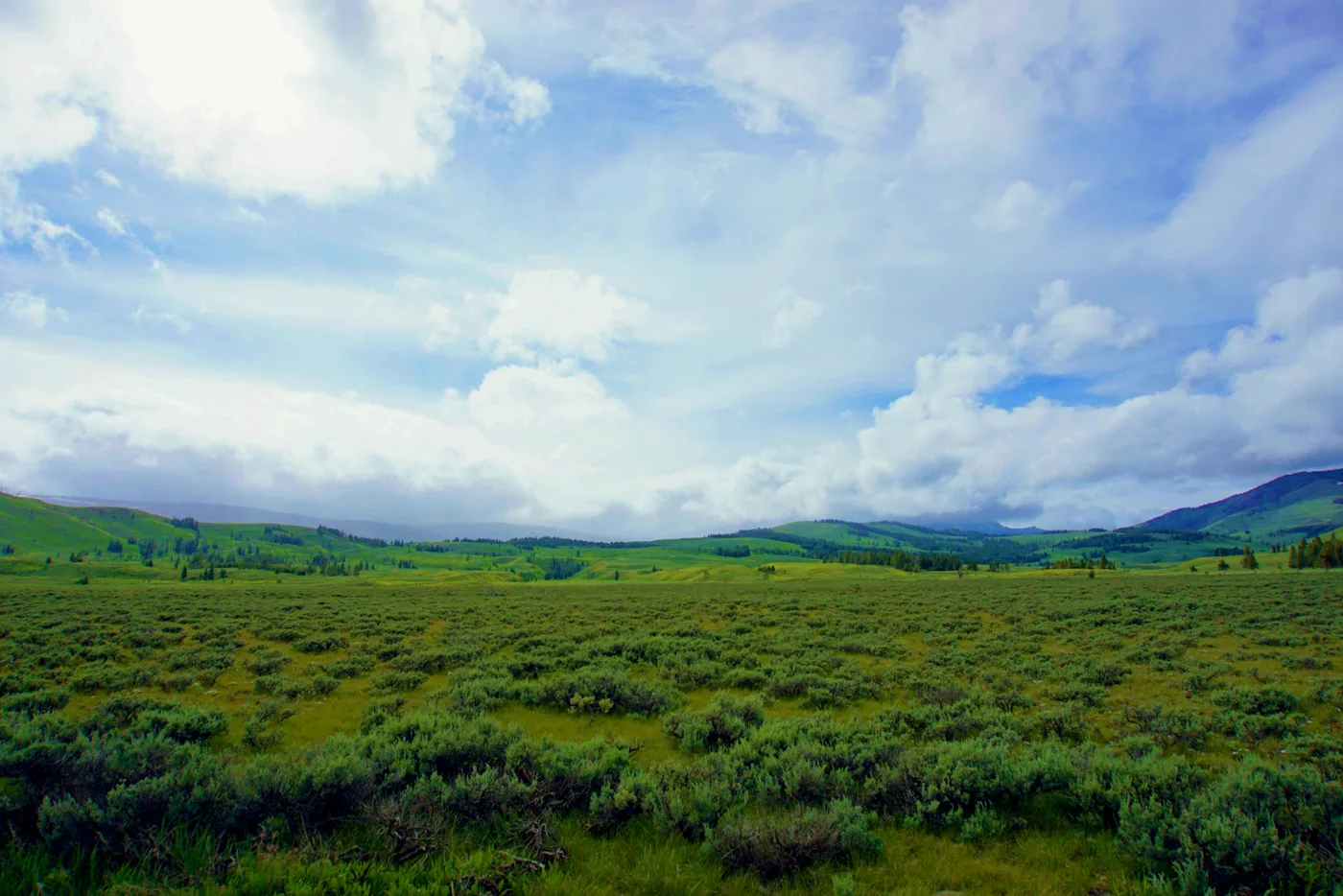
Mountain butterflies cope with short seasons, wind, and rapid temperature change. Many bask close to the ground and depend on sheltered, sun-facing pockets. Warming climates may compress the space available to cold-adapted specialists.
Wetlands and riparian edges
Marshes, stream margins, and wet meadows support willows, sedges, violets, and moisture-loving flowers. Water management, drainage, and pollution can change these habitats quickly.
Woodland and forest edge
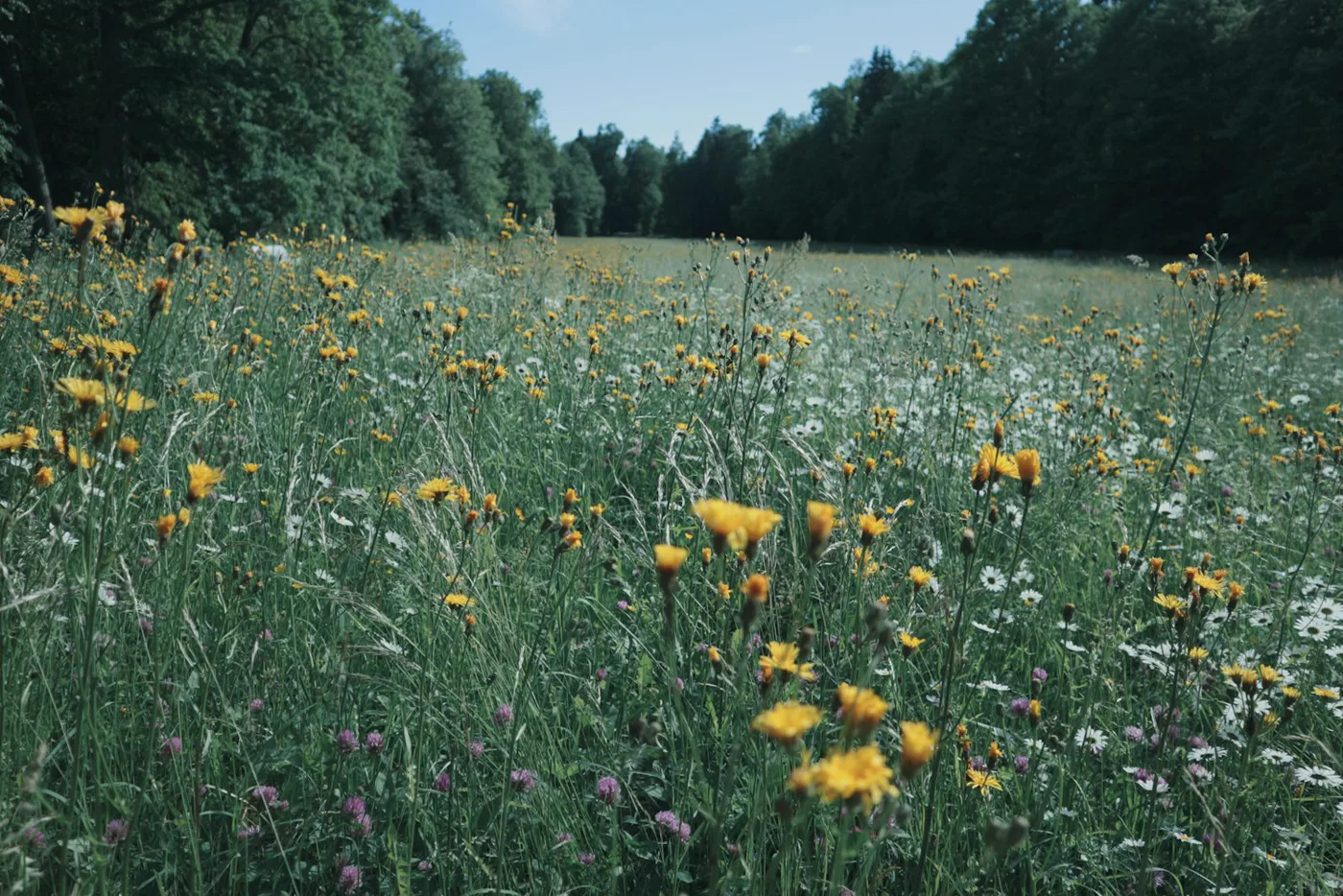
Butterflies often concentrate where canopy openings, rides, and glades create warm, flower-rich conditions beside shelter. Shrubs and trees serve as larval hosts for hairstreaks, admirals, and other groups.
Urban garden
Gardens can become stepping stones across built landscapes. The most useful gardens provide both host plants for caterpillars and nectar from early spring through autumn, without broad-spectrum insecticides.