 01
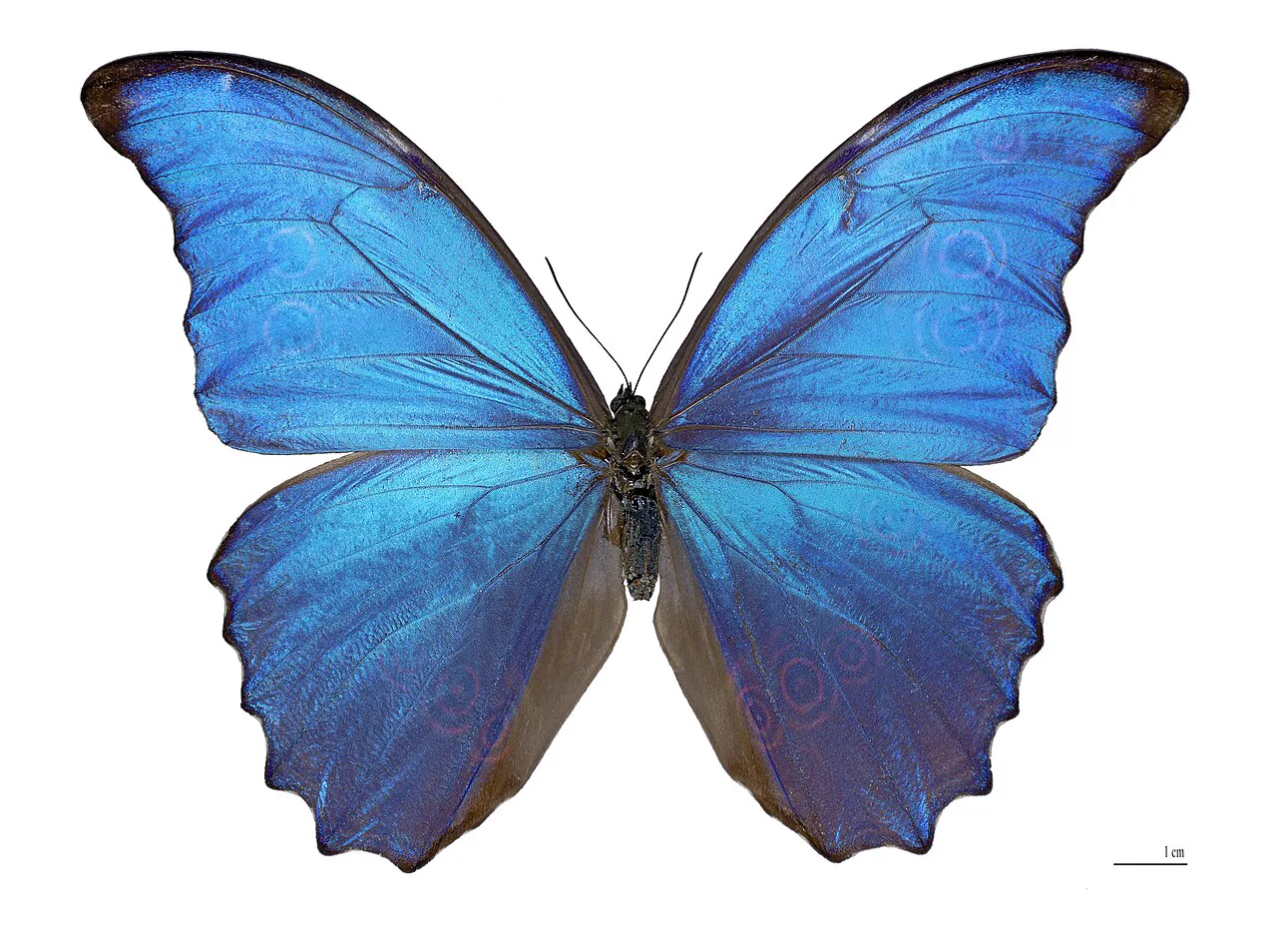
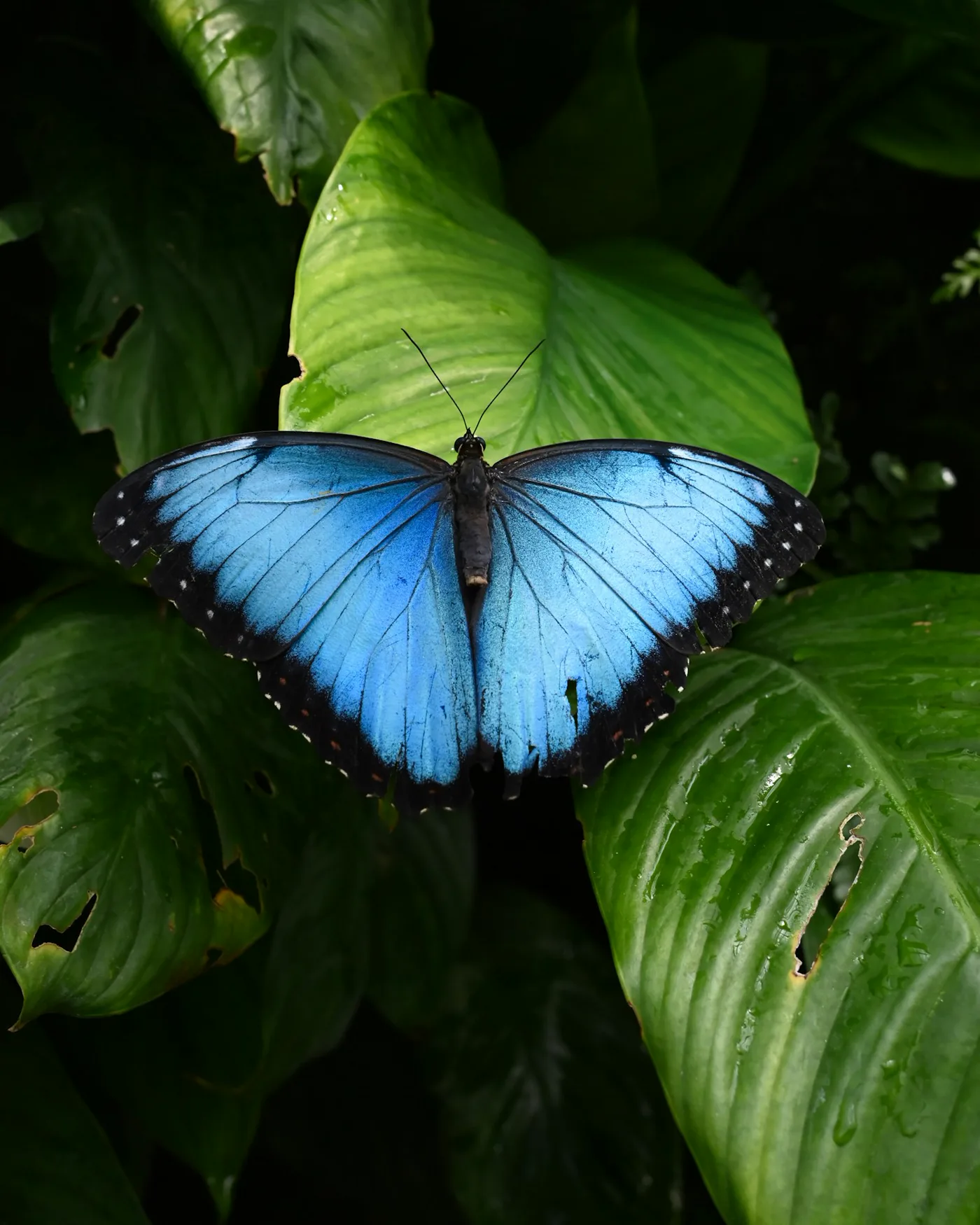
01Blue Morpho
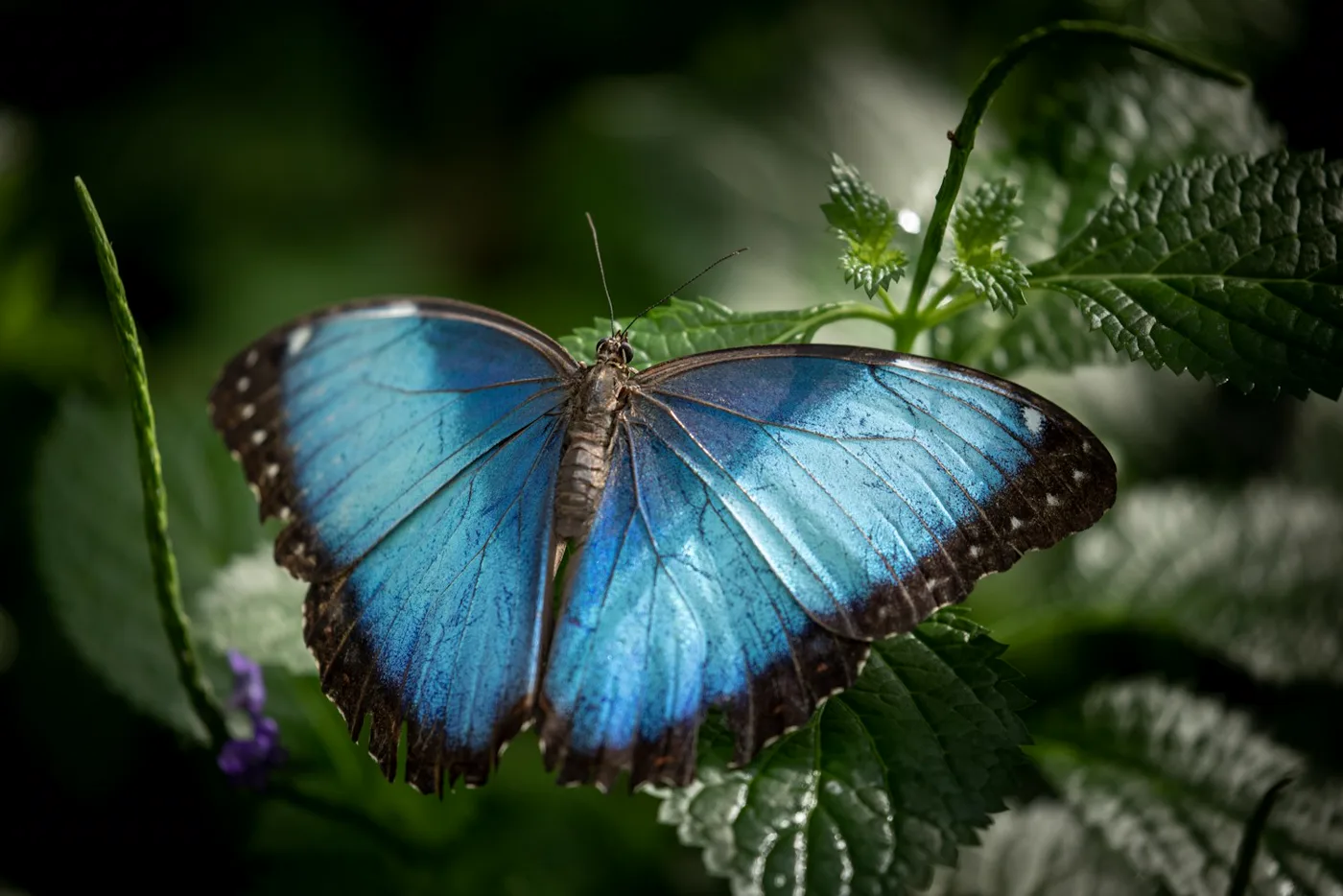
Morpho menelaus
Microscopic ridges scatter blue light, creating a flash that appears and disappears through rainforest shade.
The living atlas of butterflies
Discover the species, transformations, habitats, and fragile ecosystems behind the world’s most extraordinary wings.
Small wings, vast consequences
Butterflies are among the most visible signals of environmental change.
 Specimen observation 014
Butterflies pollinate flowers, feed birds and other wildlife, transform plant matter, and respond quickly to environmental shifts. Across cultures, their complete metamorphosis has also become a lasting symbol of renewal.
Why the atlas existsAtlas selections
From transparent wings to continent-spanning migration, every species records a different solution to survival.
01Morpho menelaus
Microscopic ridges scatter blue light, creating a flash that appears and disappears through rainforest shade.
 02
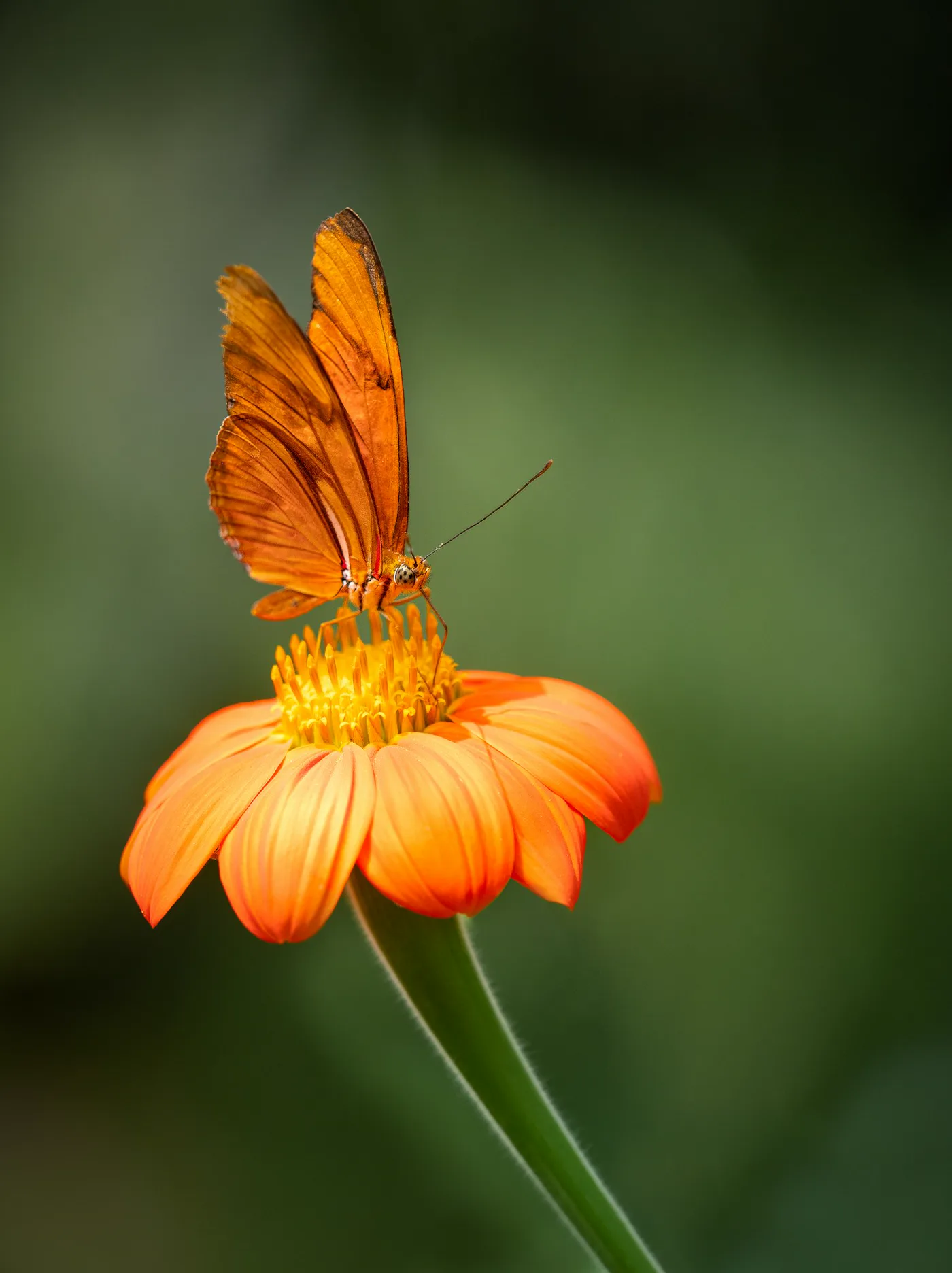
02Danaus plexippus
A milkweed specialist whose migration connects habitats across a continent.
 03
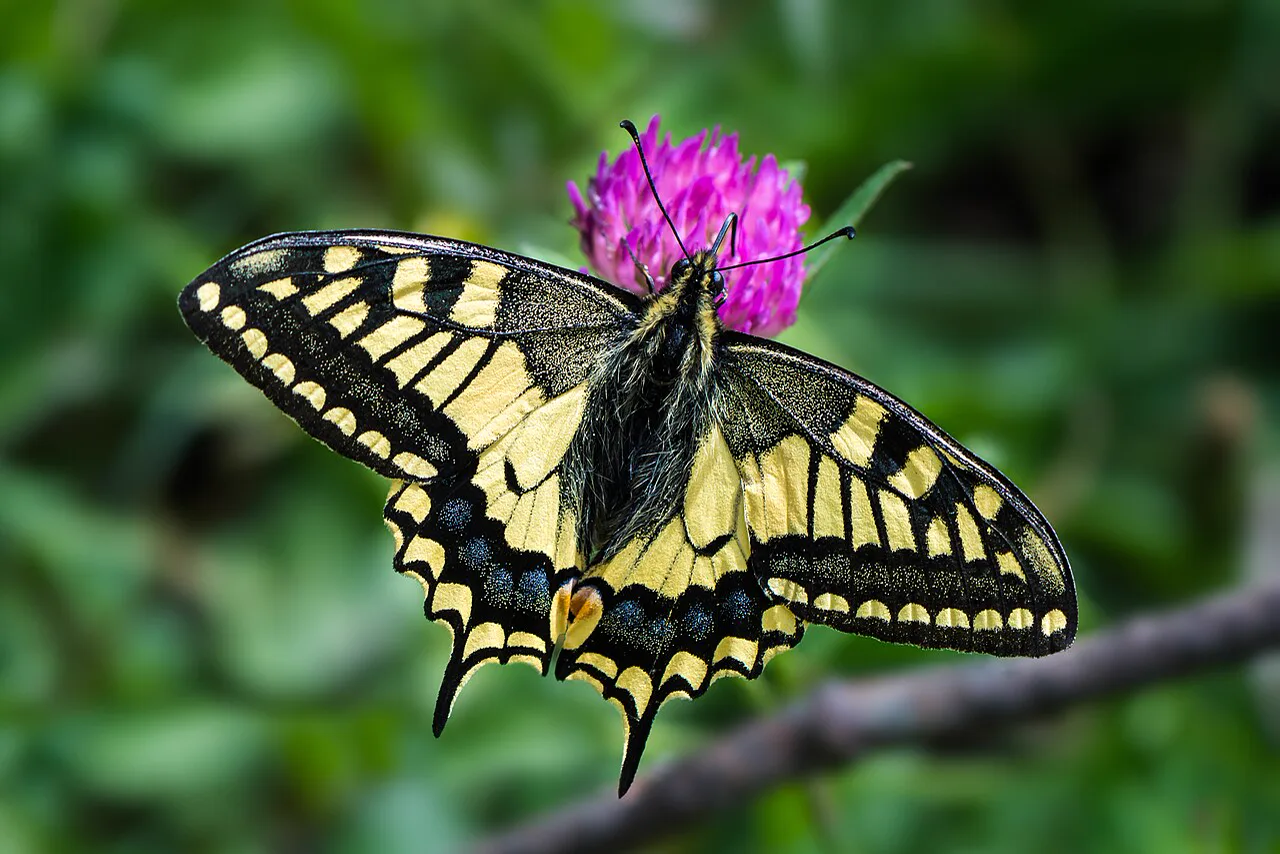
03Papilio machaon
Hindwing tails and false eye markings can redirect a predator’s first strike.
 04
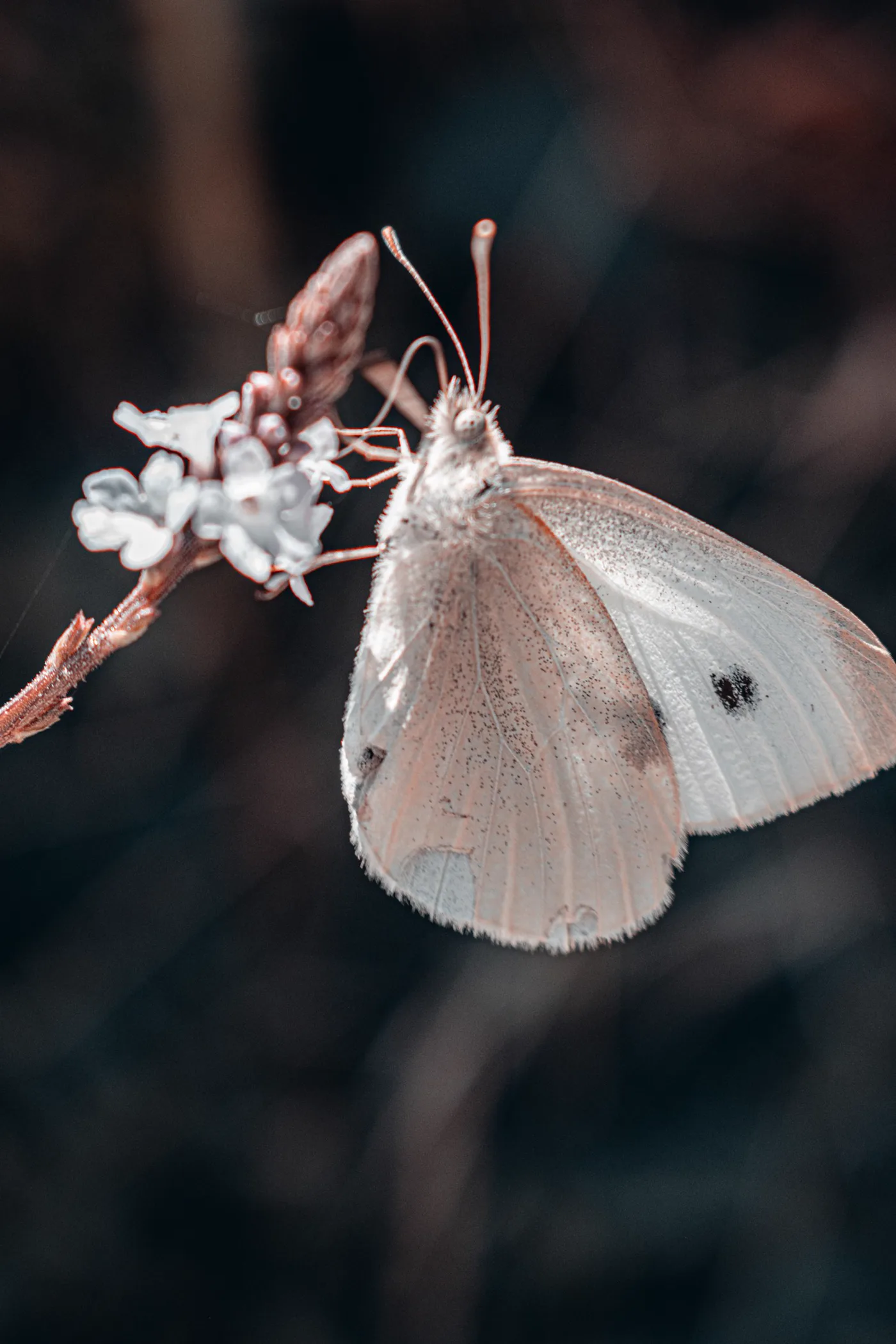
04Greta oto
Sparse scales and nanostructures make broad wing areas nearly transparent.
 05
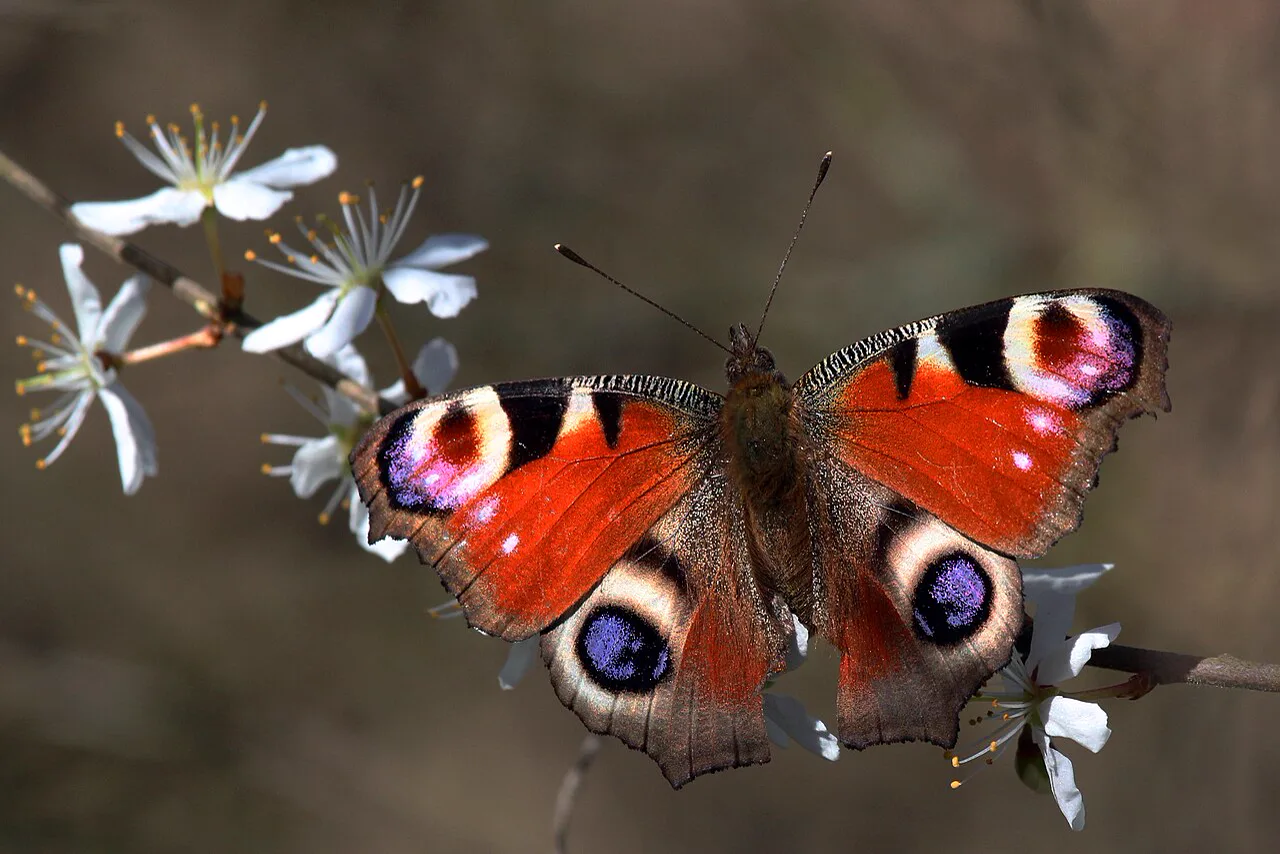
05Aglais io
Sudden eyespot displays can startle would-be predators.
 06
06Ornithoptera alexandrae
The largest living butterfly is restricted to a small lowland forest range.
Complete metamorphosis
Each stage has a different body, purpose, and relationship with the surrounding world.
A female reads the chemistry of leaves with receptors on her feet, choosing a host plant that can feed the larva after hatching.
Anatomy spotlight
The large front pair provides most of the lift. Veins strengthen the wing while thousands of overlapping scales create color.
Habitat atlas
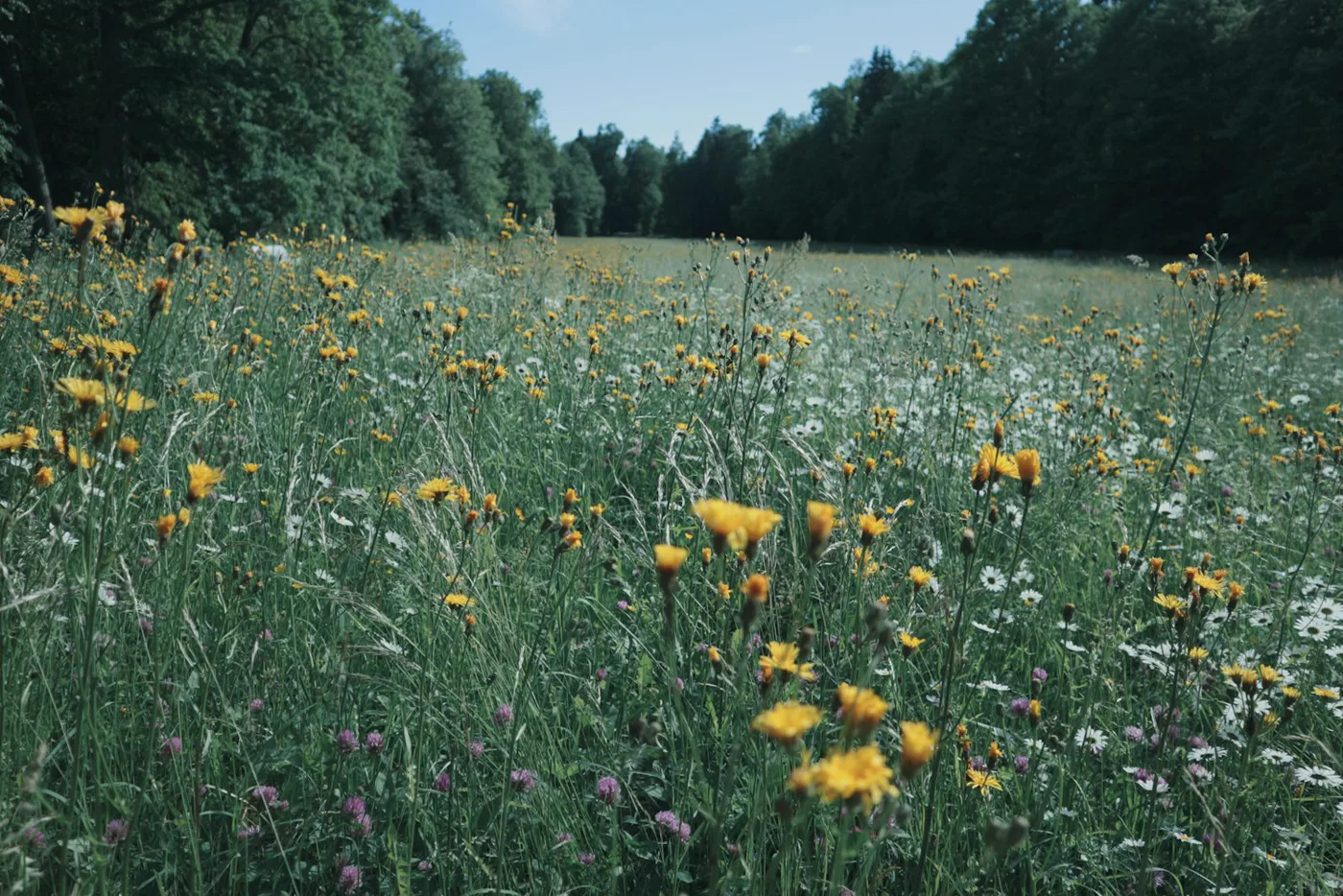
A habitat is a seasonal network of sunlight, shelter, host plants, nectar, water, and safe passage.
01Warm · humid · layered
Clearings, riverbanks, and canopy gaps concentrate warmth and food within extraordinarily diverse forests.
 02
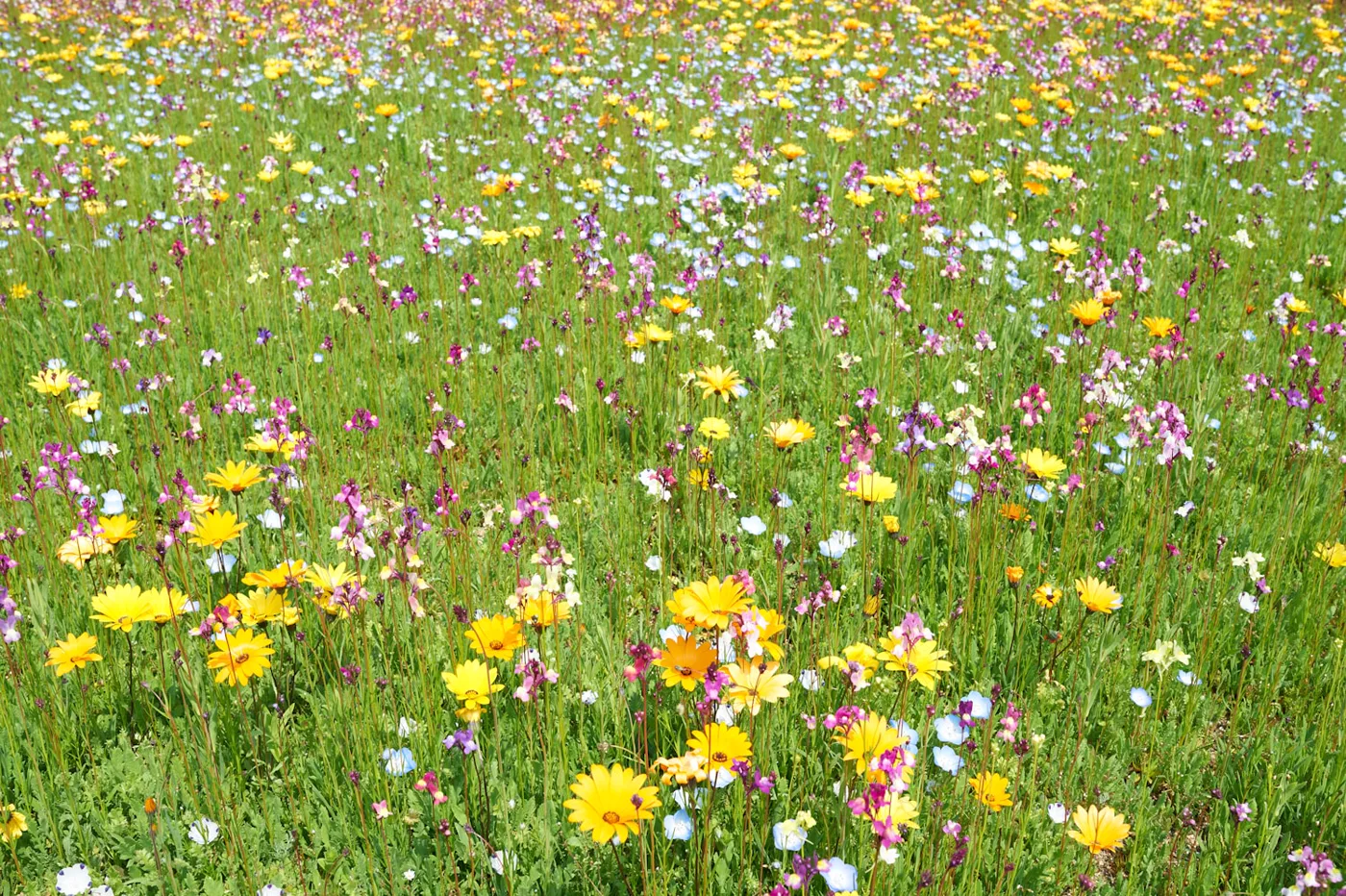
02Open · sunny · seasonal
Flower-rich grasslands supply nectar, host plants, and warm basking places across the growing season.
 03
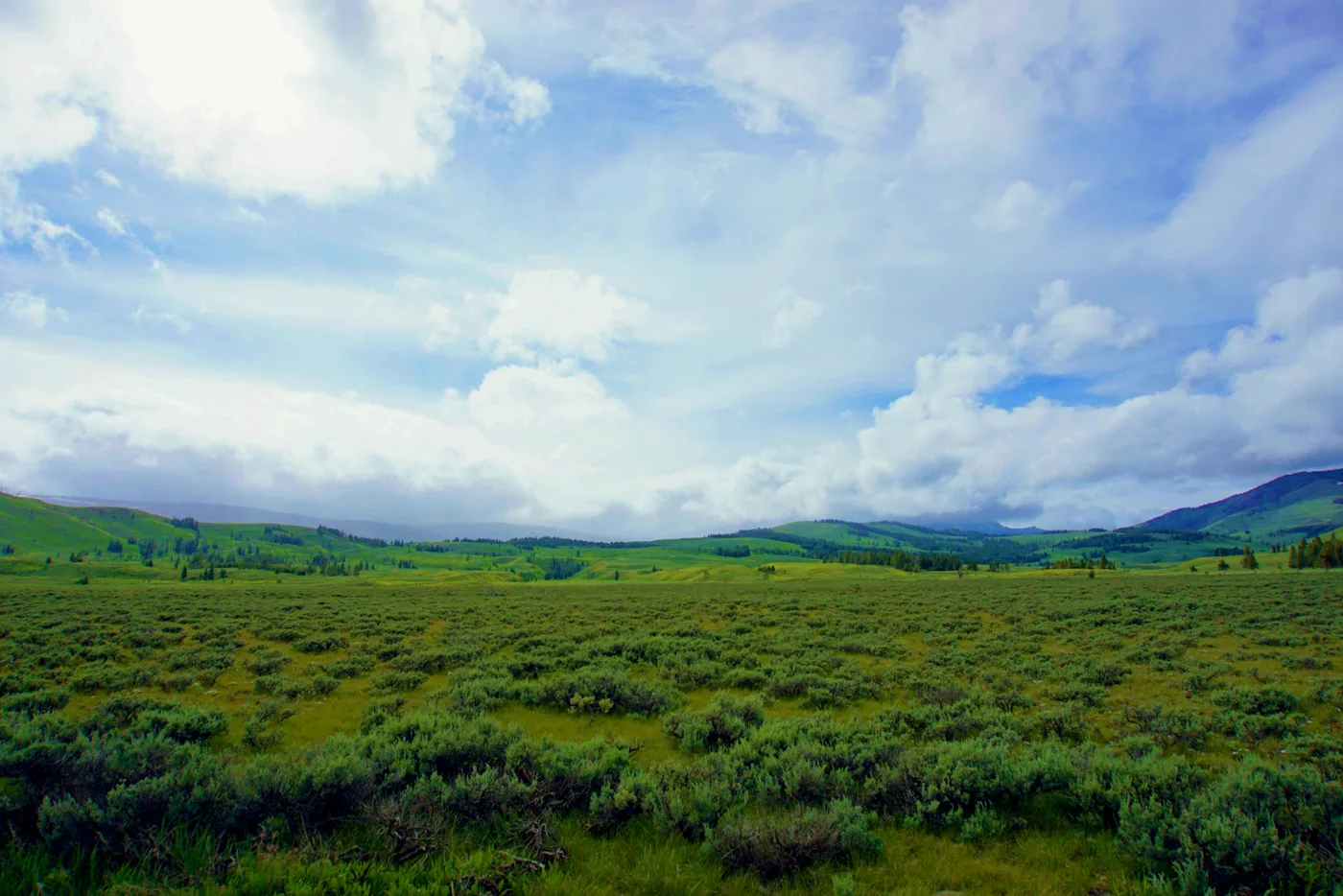
03Cool · exposed · brief summer
Sun-facing slopes and sheltered pockets support cold-adapted specialists through short, intense seasons.
 04
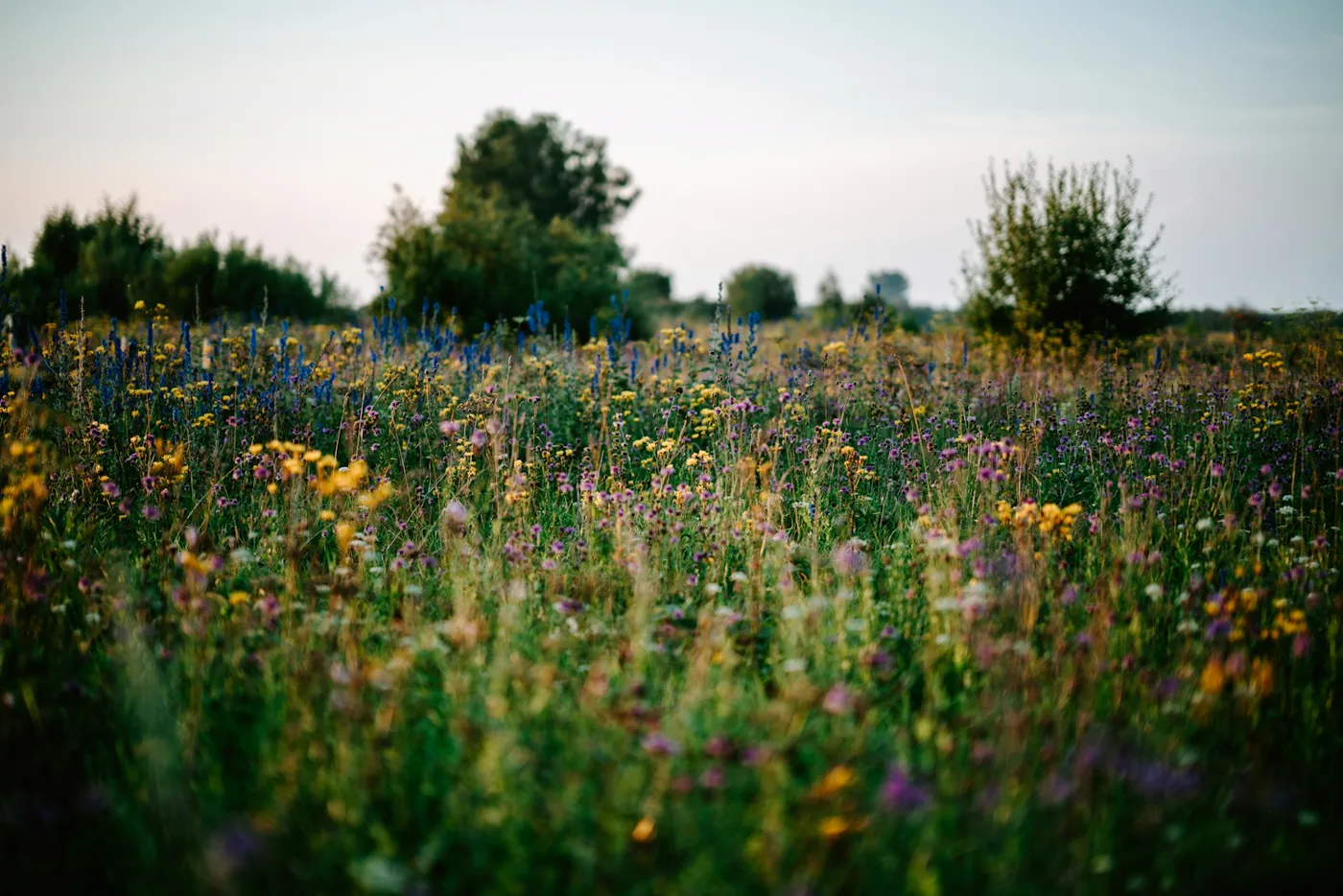
04Moist · sheltered · plant rich
Marsh edges and wet meadows sustain willows, sedges, violets, and moisture-loving nectar plants.
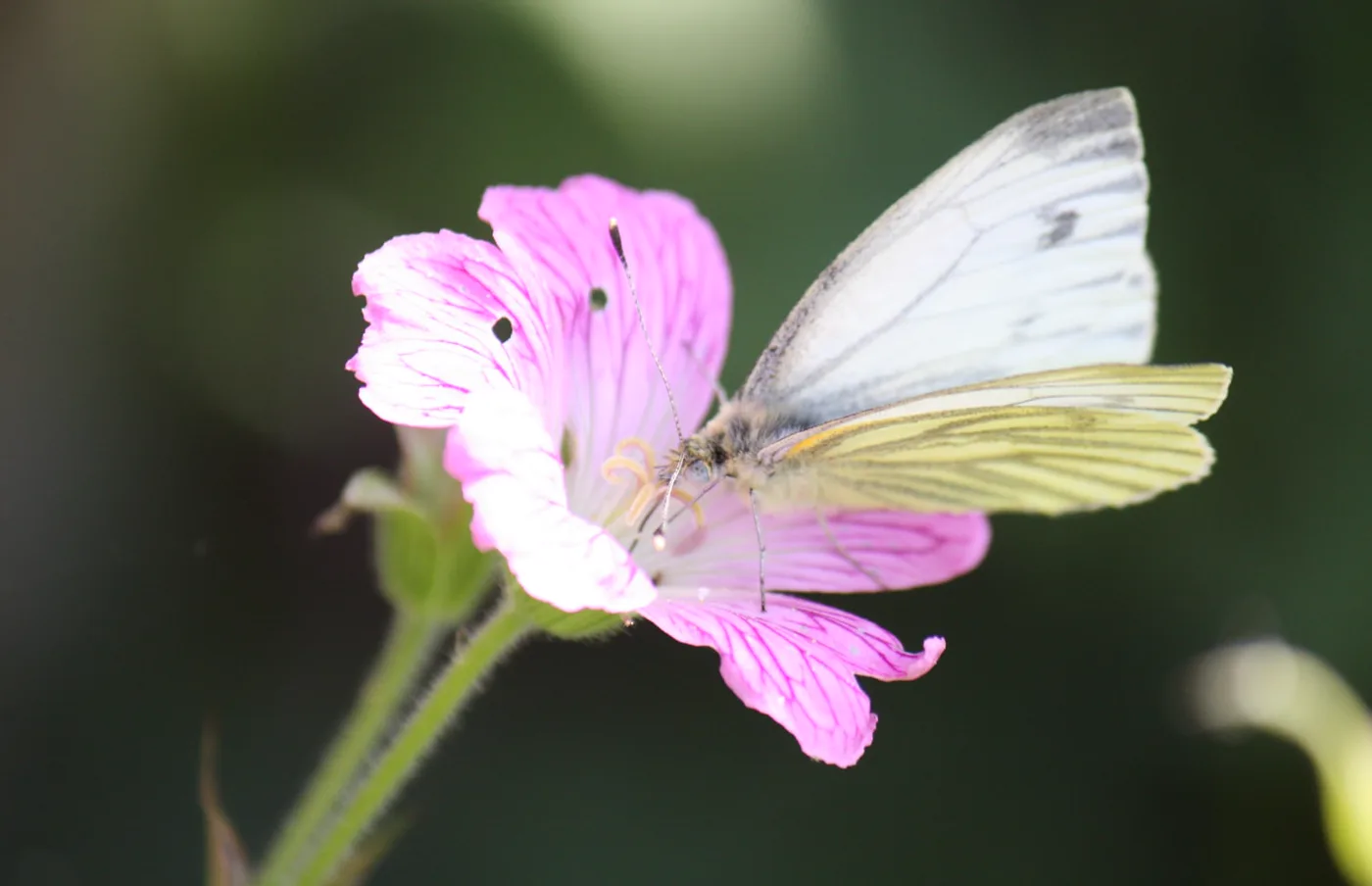
05Dappled · sheltered · structural
Glades and rides combine warm light with tree and shrub hosts, giving butterflies both refuge and resources.
 06
06Cultivated · connected · local
A thoughtful garden can become a stepping stone through the built landscape when it offers both larval and adult food.
Field feature · July
Danaus plexippus
A migration completed across generations links northern breeding grounds with overwintering forests farther south. Milkweed feeds the caterpillar; flower nectar fuels the adult.
Field note: no single monarch completes the full northbound journey; successive generations continue the route.
Open the Monarch field recordConservation
Habitat loss, climate disruption, pesticides, fewer native plants, pollution, and fragmentation can combine across every stage of a butterfly’s life.
Field photography
Scales, false eyes, interrupted lines, and habitat clues become visible when the frame is allowed to breathe.